
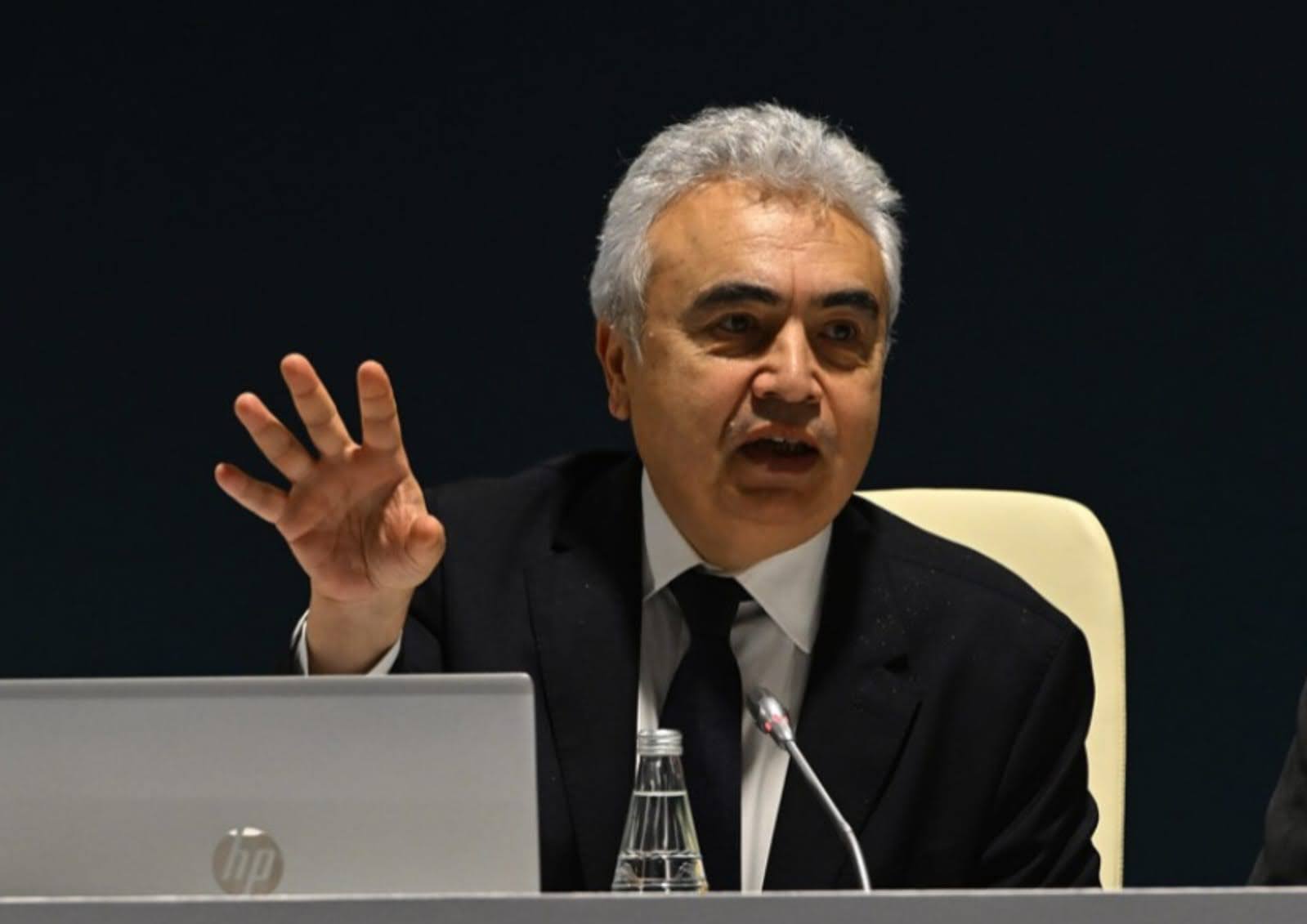
The global energy impact of the Iran war has not yet peaked and may continue to grow if the Strait of Hormuz remains closed and Gulf energy infrastructure cannot be repaired, the head of the International Energy Agency has warned. Fatih Birol, speaking in Canberra, said the crisis — already equivalent to the combined force of the 1970s twin oil shocks and the Ukraine gas emergency — had the potential to become even more severe. He called for maximum urgency in international efforts to stabilize the situation.
Birol explained that the secondary and tertiary consequences of the conflict were still unfolding. Supplies of petrochemicals, fertilizers, sulfur, and helium — all affected by Gulf supply chain disruptions — would continue to tighten the longer the crisis persisted. The damage to at least 40 Gulf energy assets would continue to reduce available production capacity even after hostilities ceased, meaning the supply deficit would be slow to close even after peace was restored.
The conflict began February 28 with US and Israeli strikes on Iran and has since removed 11 million barrels of oil per day and 140 billion cubic metres of gas from world markets. The Hormuz strait, through which approximately 20 percent of global oil flows, remains closed to commercial shipping. The IEA deployed 400 million barrels from strategic reserves on March 11 — the largest emergency action in its history — representing just 20 percent of available stocks.
Birol confirmed further releases were under active consideration and that consultations with governments across Europe, Asia, and North America were ongoing. He called for demand-side policies including expanded remote working, lower speed limits, and reduced commercial aviation. He met with Australian Prime Minister Anthony Albanese and emphasized that the Asia-Pacific region needed to strengthen its energy security response.
Trump’s 48-hour ultimatum to Iran to reopen the strait expired without result, and Tehran threatened retaliatory strikes on US and allied energy and water infrastructure. Birol warned that every week of continued closure and infrastructure degradation added to the cost and complexity of eventual recovery. He called on governments to act with the full urgency that a still-worsening crisis demanded.