
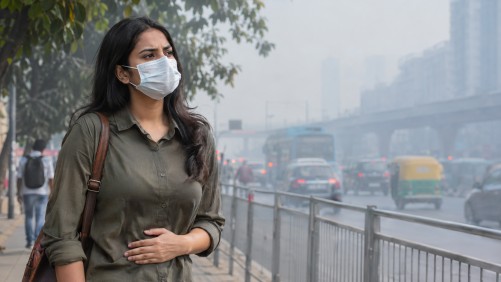
Air pollution, a well-documented threat to respiratory health, may also disturb digestive health by affecting the gut microbiome, according to recent findings. Prolonged exposure to polluted air can trigger inflammation and oxidative stress, disrupting the balance of microorganisms crucial to digestion and immunity.
Fine particulate matter, such as PM2.5, enters the body primarily through inhalation. These particles can travel to the bloodstream or migrate from the respiratory system into the digestive tract, potentially leading to gut inflammation. This disruption may contribute to symptoms like bloating, abdominal discomfort, and irregular bowel movements, although air pollution is not the sole cause of these issues.
The gut microbiome, comprising millions of microorganisms, plays an essential role in breaking down food, aiding nutrient absorption, and defending against harmful bacteria. Environmental pollutants can upset this delicate microbial balance, making the digestive system more susceptible to disturbances. This underscores the connection between the gut and lungs, known as the gut-lung axis, where immune responses and microbial activity link the two systems.
Maintaining gut health amid high pollution levels is vital, and several measures can help mitigate risks. Monitoring local Air Quality Index (AQI) levels and minimizing outdoor exposure during high pollution periods is a practical first step. Additionally, avoiding outdoor exercise near busy roads, incorporating fiber-rich foods into one’s diet, staying hydrated, and reducing indoor pollution exposure are all effective strategies to support gut health.
Indoor environments can harbor pollutants from cooking fumes, tobacco smoke, and other sources, making ventilation and the use of exhaust systems important. Those experiencing persistent digestive issues should seek medical advice to accurately diagnose and treat underlying conditions rather than attributing symptoms solely to pollution.
Understanding and addressing the broader health implications of air pollution, beyond just its respiratory effects, is crucial. By adopting healthy lifestyle practices and reducing exposure to airborne pollutants, individuals can help protect their digestive health and overall well-being.