
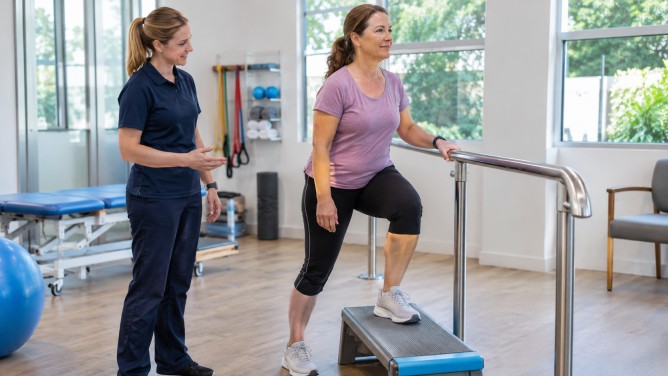
Returning to exercise after an injury can be daunting, particularly when it involves your knees. Experts warn that rushing back into your regular fitness routine without careful consideration can put undue pressure on your knees, potentially leading to further injury. A gradual return to physical activity is crucial to allow your body to rebuild strength, flexibility, and endurance.
Key warning signs should not be ignored when resuming exercise. Persistent pain that worsens over time, swelling that doesn’t subside with rest, knee instability, or a sudden pop accompanied by sharp pain could indicate serious knee problems that require medical attention. These symptoms suggest the need for caution and possibly a professional evaluation before continuing with physical activity.
To safely resume workouts, it’s advisable to warm up properly with gentle movements, choose low-impact activities like walking or swimming, and increase the intensity of workouts gradually. It’s important to incorporate rest days into your routine to allow your body adequate recovery time. Listening to your body and stopping exercise if you experience unusual pain, swelling, or instability is essential for preventing further injury.
Treatment and recovery plans vary depending on the severity of the knee injury. While minor issues may improve with rest, ice application, and physiotherapy, more serious injuries could necessitate medical assessment and specialized treatment. In some cases, procedures like arthroscopy might be recommended to examine and treat knee joint problems, while significant ligament damage, such as an ACL injury, may require reconstructive surgery.
Ultimately, a patient and well-structured approach to returning to fitness is crucial. Allowing your knees enough time to recover and building strength progressively can help maintain an active lifestyle while minimizing the risk of reinjury. It’s important not to rush the process and to seek medical advice if any concerning symptoms arise.