
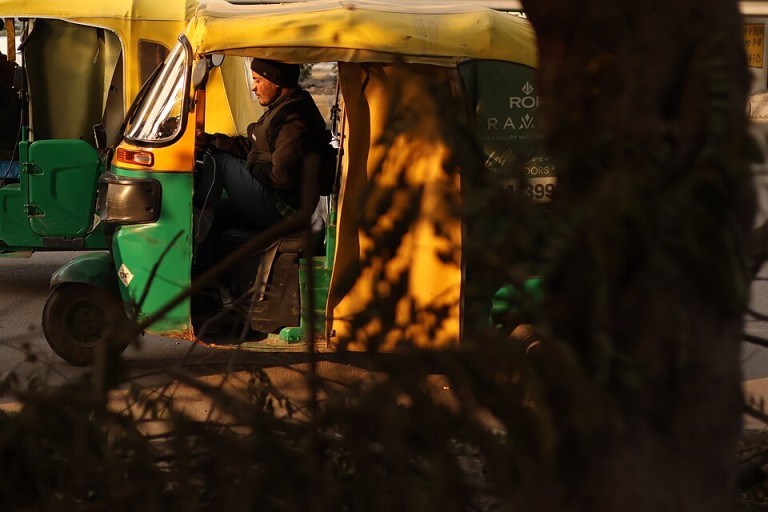
The Delhi government has unveiled an ambitious plan to phase out petrol-powered scooters, motorcycles, and autorickshaws in a significant effort to cut down on emissions and enhance air quality in the capital. The initiative seeks to bolster the adoption of electric vehicles, aiming for at least 30% of the vehicle fleet to be electric by 2030. This transition will commence with new registrations for electric three-wheelers and small commercial vehicles in 2027, followed by electric scooters and motorcycles in 2028.
Transport emissions have been identified as a major contributor to Delhi’s pollution issues, with vehicles responsible for a substantial portion of the harmful pollutants, particularly during the winter months when the city is plagued by severe smog. Environmental experts have praised this policy shift, highlighting that transitioning to electric two- and three-wheelers could significantly lower emissions and enhance public health. To facilitate this transition, the government plans to establish over 30,000 public charging points across the city.
Despite the positive reception from environmentalists, the policy has sparked concerns among autorickshaw drivers who worry about potential challenges related to charging times, vehicle costs, maintenance, and possible income losses during the transition period. Some experts have also suggested that the government should place a stronger focus on expanding clean public transport options and improving last-mile connectivity to ensure a comprehensive approach to reducing emissions.
The policy includes incentives such as tax benefits to encourage electric vehicle purchases. However, critics argue that the timeline for the transition may be too ambitious, leaving insufficient time for drivers, manufacturers, and consumers to fully adapt to the changes. The success of this initiative will depend on how effectively these concerns are addressed and how smoothly the transition is managed.