
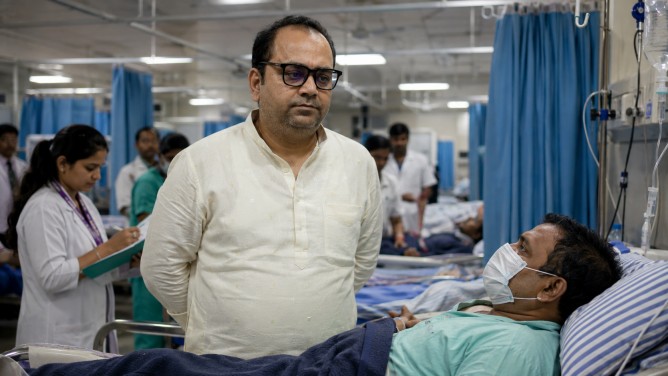
This year, Delhi has seen a significant number of influenza-A cases, totaling 2,392, with 1,777 of these being H1N1 cases. This situation has prompted Health Minister Pankaj Singh to hold a meeting with municipal health officers and government hospital officials to assess and address the situation. The minister has issued directives to enhance the screening, reporting, and monitoring processes for influenza-like illnesses and severe respiratory infections.
In response to the rising cases, hospitals are being instructed to adhere strictly to established treatment protocols and to ensure appropriate patient and home care measures are in place. Training is being provided for healthcare workers to better identify symptoms and manage patient monitoring effectively. Despite the uptick in cases, Minister Singh has reassured the public that there is no cause for alarm, emphasizing that Delhi is sufficiently equipped with hospital beds, medical staff, medicines, and essential equipment.
Residents are being urged to maintain good respiratory and hand hygiene practices, wear masks in crowded environments, avoid close contact with those exhibiting respiratory illness symptoms, and to seek professional medical advice rather than self-medicating. The current situation, while concerning, remains below the levels seen during previous major outbreaks in Delhi, which saw case numbers exceed 3,000.
Health officials continue to closely monitor the situation and hospitals have ramped up their preparedness to deal with any further escalation. The increase in H1N1 cases has been attributed by doctors to a combination of seasonal factors, a relatively low uptake of influenza vaccinations, and increased testing among patients presenting with flu-like symptoms.