
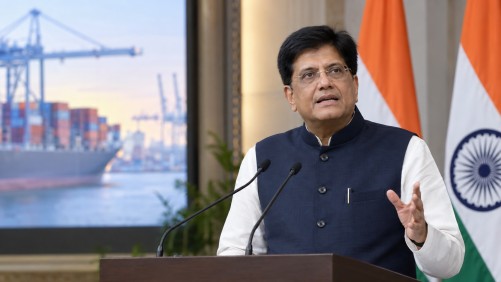
The imminent implementation of India’s Free Trade Agreement (FTA) with New Zealand, set for October 20, is poised to significantly enhance trade relations between the two nations, offering duty-free access for Indian exports. This development promises to bolster trade by removing tariffs on 100% of Indian goods entering New Zealand, thereby enhancing India’s export competitiveness in the region.
Commerce and Industry Minister Piyush Goyal announced the agreement’s activation, which was originally signed in April. The FTA also facilitates a long-term commitment from New Zealand to inject $20 billion into India over the next 15 years, marking a substantial boost in foreign investment. This move underscores India’s strategic economic expansion and its efforts to attract international capital.
In safeguarding domestic agricultural interests, India strategically excluded sensitive products such as onions, chickpeas, peas, corn, almonds, and sugar from the agreement. This exclusion aims to protect local farmers and industries from potential market disruptions that could arise from unrestricted imports.
Beyond New Zealand, India is actively advancing its trade agenda on multiple fronts. Negotiations with Canada are progressing into their fifth round this month, focusing on a Comprehensive Economic Partnership Agreement. Concurrently, India is making strides in talks with the European Union, aiming for significant progress before the year’s end, and is also advancing discussions with Chile.
These developments reflect India’s broader strategy to strengthen its global trade footprint and diversify its economic partnerships. By engaging in these negotiations, India aims to secure favorable terms that can drive economic growth and enhance its position in the global marketplace.